
Why Quality Sleep Supports Your Health
When we talk about health, the conversation usually turns to diet and exercise. However, sleep deserves a place right beside them. It is one of the core pillars of wellbeing, and when it slips, every aspect of life can suffer.
What Happens While You Sleep
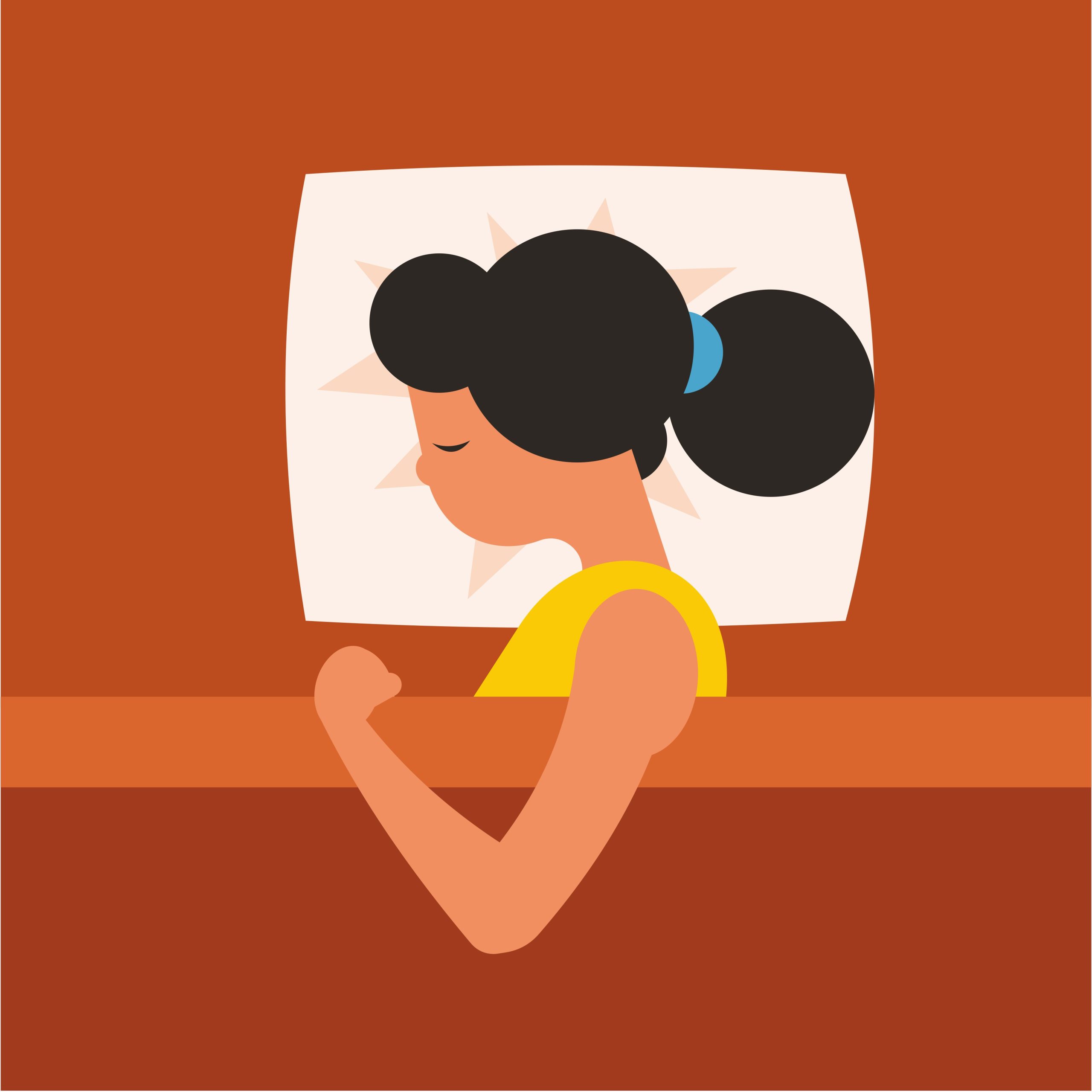
Sleep is far from passive. While you rest, your body and brain are busy:
- Tissue repair and growth. Much of the body’s physical repair takes place during deep sleep, including muscle recovery and the maintenance of bones and joints.
- Memory and learning. Sleep helps the brain consolidate what you learned during the day, sorting and storing important information.
- Brain maintenance. Research suggests the brain clears out waste products more effectively during sleep, helping it function well the next day.
- Hormone regulation. Sleep influences hormones that control appetite, stress and growth.
The Benefits of Good Sleep
A stronger mind. Sleep supports concentration, decision-making and creativity. Even a few nights of short sleep can dull your focus and slow your reaction times.
Better mood and emotional resilience. People who sleep well generally cope better with stress and are less likely to feel irritable or low. Long-term poor sleep is linked with a higher risk of anxiety and depression.
A healthier heart. Consistently short sleep is associated with higher blood pressure and a greater risk of heart disease and stroke. Good sleep is one of the ways you look after your cardiovascular system.
Weight and metabolism. Poor sleep disrupts the hormones that signal hunger and fullness, often leading to stronger cravings and overeating. Long-term short sleep is also associated with a higher risk of type 2 diabetes.
A more robust immune system. Studies show that people who sleep less are more likely to catch common infections.
Physical performance and recovery. Whether you’re an athlete or simply enjoy a walk, sleep helps you recover, stay coordinated and reduce the risk of injury.
Pain tolerance. Poor sleep can increase sensitivity to pain, and pain in turn can disrupt sleep. Regular, restorative sleep can help you feel more comfortable, reduce tension, and make daily movement easier.
How Much Sleep Do You Need?
Most adults function best on seven to nine hours a night, though individual needs vary. Teenagers and children need more. Quality matters as well as quantity: waking frequently, or feeling unrefreshed after a full night, can be a sign that something needs attention.
Sleeping Positions and Pillow Advice
How you sleep can affect how your neck and back feel in the morning.
Back or side is best. Sleeping on your back or your side lets your spine and neck rest in a more natural alignment, and both are fine. Choose whichever is most comfortable for you.
Try to avoid sleeping on your front. To breathe while lying face-down, you have to turn your head to one side, which holds your neck in a twisted position for hours. Lying on your front also tends to arch the lower back and compress the small joints of the spine.
One pillow of the right thickness. A pillow should support your neck as well as your head. When two pillows are stacked, the top one tends to get pulled down under the neck, but the bottom one doesn’t come down as far, resulting in more thickness under the head than the neck. This lifts the head forward but leaves the neck poorly supported. A single pillow of the right thickness helps fill the curve of the neck and keeps your head in line with your spine.
- On your back: the pillow should support your head and fill the curve of your neck without pushing your chin towards your chest.
- On your side: the pillow should fill the gap between your shoulder and head, so your head stays level rather than tipping up or down. A small pillow between your knees helps keep your hips and lower back comfortable.
Simple Habits for Better Sleep
- Keep a regular schedule. Going to bed and waking at similar times, even at weekends, helps steady your body clock.
- Get daylight and move your body. Morning light and regular physical activity both support healthy sleep patterns.
- Wind down. A calming routine such as reading, gentle stretching or slow breathing signals that the day is over.
- Make your bedroom sleep-friendly. Aim for cool, dark and quiet, with a comfortable, supportive mattress.
- Watch your evening habits. Limit caffeine from the afternoon onwards, avoid heavy meals late at night, and put screens away an hour before bed.
- Go easy on alcohol. It may help you drop off, but it tends to fragment sleep later in the night.
When to Seek Help
Occasional bad nights are normal. If you regularly struggle to fall asleep, wake unrefreshed, snore heavily, or feel exhausted during the day, speak to your GP. Conditions such as insomnia and sleep apnoea are common and treatable. If you regularly wake with neck or back aches, it’s also worth having your posture and sleeping set-up looked at.
In Summary
Sleep is a fundamental part of good health, as important as nutrition and physical activity. Small adjustments to your sleep posture, pillow choice, and daily habits can make a noticeable difference, allowing you to feel more energised, more comfortable, and enjoying a better quality of life.


