
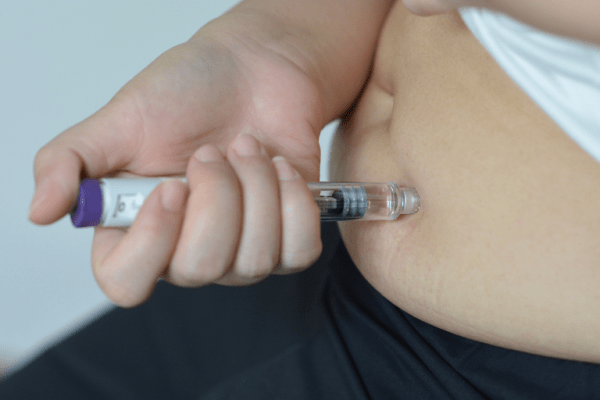
Weight loss medications are now part of everyday life, with nearly 1.6 million people in the UK using GLP‑1 treatments like Ozempic, Wegovy, and Mounjaro. But as these therapies reshape bodies, they also impact joints, muscles, and overall physical health. In this article, Chiropractor Chris Jolliffe reveals what’s really happening inside your body and how expert chiropractic care can support your weight loss journey.
Weight loss medications have become part of everyday conversation. Nearly 1.6 million people in the UK are now using GLP-1 therapies – medicines like Ozempic, Wegovy, and Mounjaro – and millions more are considering them. If you are one of them, or thinking about it, your chiropractor is well placed to support you through the process in ways you might not expect.
In this article, Chris Jolliffe explains what these medications do, what they mean for your joints, muscles and bones, and how your chiropractic care fits into the bigger picture.
What are these medications, and how do they work?
Glucagon-like peptide-1 (GLP-1) receptor agonists are medications that mimic natural hormones involved in appetite regulation and blood sugar control. People feel full sooner and for longer, and often describe a quieting of constant food thoughts.
The most commonly prescribed medications include:
- Liraglutide (Victoza®, Saxenda®)
- Semaglutide (Ozempic®, Wegovy®)
- Tirzepatide (Mounjaro®), which also targets another hormone called GIP
These medications have delivered impressive results, with clinical trials reporting weight loss of up to 20% of total body weight. But rapid weight loss can affect your muscles and bones, so it’s important to know what to watch for.
The benefits: more than just weight loss?
Short-term benefits
Within weeks, many people notice:
- Weight loss, which eases pressure on knees, hips, and lower back
- Better blood sugar control, blood pressure, and cholesterol
- Improved sleep if they have conditions like sleep apnoea
- Reduced appetite and less constant thinking about food
Long-term benefits
Over a year or more, research shows:
- Reduced risk of heart attack and stroke in people with high cardiovascular risk
- Lower risk of developing type 2 diabetes for people who were previously obese
- Slower progression of kidney disease in those with type 2 diabetes
- Possible benefits for liver health and brain health, though more research is needed
How rapid weight loss can affect muscles and bones
Here’s where musculoskeletal considerations become more complex. Rapid weight loss (about 1–1.5% of body weight per week) has been associated with reductions in both bone mineral density (BMD) and muscle mass.
Why does this happen?
Well, there are several mechanisms at play:
- Your bones get less mechanical load, which can slow bone formation
- Lower appetite may reduce protein intake, which is important for muscles
- The body may break down muscle tissue for energy
Some loss of lean mass during weight reduction is expected, but losing too much can affect strength, stability, and long-term metabolic health. Over time, and particularly in older adults or postmenopausal women, there are also questions about bone density and fracture risk.
This does not mean the medications are harmful. It means that how you support your body during and after weight loss matters enormously.
How chiropractors can help
Weight loss can improve mobility and reduce joint pain, but it can also change your posture, gait, and movement patterns. Chiropractors assess these changes and provide support to help you stay strong and safe.
Chiropractors can:
- Identify new pain or altered movement patterns
- Provide hands-on treatment or exercises
- Monitor muscle loss and biomechanical changes
- Suggest referral to your GP or prescribing clinician if needed
Supporting your body during weight loss
Nutrition:
- Eat enough protein (around 1.2–1.5 g per kg of body weight daily)
- Get sufficient calcium and vitamin D
- Stay hydrated (2–4 litres per day)
- Focus on nutrient-dense foods
- Include enough fibre: women ≥25 g/day, men ≥30 g/day
Exercise:
- Resistance training 2–3 times per week to preserve muscle and bone
- Weight-bearing activities like walking, jogging, or dancing
- Cardiovascular activity for at least 150 minutes per week
- Start gradually and progress safely
What happens if you stop the medication
Approximately 20% of patients discontinue GLP-1–based therapies within the first 12 months, and only around half remain fully adherent to the prescribed programme.
Weight regain after stopping GLP-1–based therapies is common and often rapid. On average, most individuals regain their pre-treatment weight within 1.7 years, with blood sugar and cholesterol levels often going back to baseline within 1–2 years.
A 2025 expert consensus statement was clear: these medications work best as part of a broader approach that includes nutritional support, physical activity, and behavioural change – not as standalone treatments. Your chiropractor can help you maintain the physical benefits of weight loss even if the medication is no longer part of the picture.
Can you boost GLP-1 naturally?
The short answer is yes, to a degree. Most foods stimulate GLP-1 release, with protein-, fibre-, and fat-rich foods producing a stronger response.
Eating patterns
How you eat matters too, not just what you eat. Eating slowly and chewing more thoroughly may increase GLP-1 response and reduce how much you eat overall. There is also some evidence to show that the order of food in a meal has an effect. Vegetables and protein before carbohydrates appear to produce a more gradual rise in blood sugar and a stronger satiety response.
Other factors that impact GLP-1
Beyond food, exercise – whether moderate or high intensity – improves GLP-1 response and metabolic signalling, and poor sleep may blunt its effect. Chronic stress is worth mentioning, too, as sustained high cortisol can impair GLP-1 release and tends to make eating patterns harder to manage.
In summary: small steps that can help
- Eat plenty of fibre-rich foods such as oats, lentils, beans, and leafy vegetables.
- Include a source of protein with each meal. Try eating vegetables and protein before carbohydrates when you can.
- Eat slowly and without distraction.
- Move regularly, both aerobic exercise and resistance training.
- Prioritise sleep, 7 – 9 hours each night.
- Find ways to manage stress: try utilising yoga, deep breathing, or meditation.
An important note
These approaches support metabolic health, but they do not produce the same GLP-1 increase as medication.
Natural GLP-1 is broken down quickly by an enzyme in the body, so its effects are relatively short-lived and mainly felt around mealtimes. The medications have been specifically designed to resist that breakdown, which is why they remain active for days or even weeks, depending on the formulation and dose, and why their effect on appetite suppression is considerably more significant.
Natural approaches are worth pursuing regardless of whether you are on medication, but they are not a substitute for the effect provided by medication.
A note on access and safety
It is worth knowing that not all sources of these medications are regulated. Increasing demand has led some people to source them through non-registered providers, which carries real risks around dosing, quality control, and the absence of proper monitoring. If you have any concerns about how your medication has been sourced or prescribed, speak with your GP.
If you experience severe or persistent digestive symptoms, unexpected weakness, or anything that does not feel right, let your prescribing clinician know. Your chiropractor can support your musculoskeletal health, but medical management of the medication itself sits with your GP or prescriber.
Conclusion
GLP-1 medications represent a genuine shift in what is possible for weight management. They are not a complete solution on their own, but for many people they are a meaningful part of one. Understanding what they do to your body, including your muscles, bones, and movement, helps you make the most of the changes they bring.
Your chiropractor is not just there to treat pain. They are a resource for keeping your body moving well through whatever changes you are navigating, including this one.
If you are using or considering GLP-1 therapy, it is worth raising it at your next appointment.
8th May 2026, by BCA


